If you strip away the labels and look purely at the numbers, something quietly disruptive is happening at Buffalo Trace Distillery. The latest Experimental Collection release, Low Entry Proof Wheated Bourbon, lines up almost identically with Pappy Van Winkle 15 Year in all the ways that usually matter most to collectors. Both are aged 15 years. Both are bottled at 107 proof. Both come from the same wheated mashbill lineage that defines W.L. Weller and fuels the entire Pappy ecosystem. On paper, this should not be a conversation. It should be a tie. But it is not even close, because one variable changes everything, and Buffalo Trace knows exactly what it is doing by isolating it.
The Experimental release was barreled at 105 proof, significantly lower than the standard 114 entry proof used for Pappy and Weller. That difference is not cosmetic. It fundamentally alters how the whiskey evolves over 15 years. Lower entry proof means more water enters the barrel at the start, which slows extraction, softens tannin development and can create a more integrated balance between oak, sweetness and texture over time. After 15 years and a massive 62 percent loss to evaporation, what remains is not just concentrated bourbon, it is bourbon shaped by a completely different maturation path. In contrast, Pappy follows a proven structure designed to deliver boldness, consistency and the profile people expect. Same age. Same proof. Different chemistry, different outcome.
That is where this stops being about tasting notes and starts becoming about strategy. Buffalo Trace has spent nearly 20 years using the Experimental Collection to isolate variables like entry proof, warehouse placement and grain composition, but the real purpose is not just research. It is market intelligence. They are watching what people talk about, what sells out instantly and what commands attention beyond the distillery gates. The pattern has already revealed itself. Experiment first. Measure reaction. Scale what works. The Single Oak Project followed this path, and it is now evolving into something far more permanent. That tells you everything you need to know about how seriously they treat these “experiments.”
Now layer that onto the wheated category, which is already the most sought after lane in bourbon. If a lower entry proof profile like this resonates with drinkers, it is not difficult to see how it could evolve into a new premium extension under the Weller umbrella or a standalone limited line that sits between Weller and Pappy. The infrastructure is already there. The demand is already proven. All that is left is deciding when to pull the trigger.
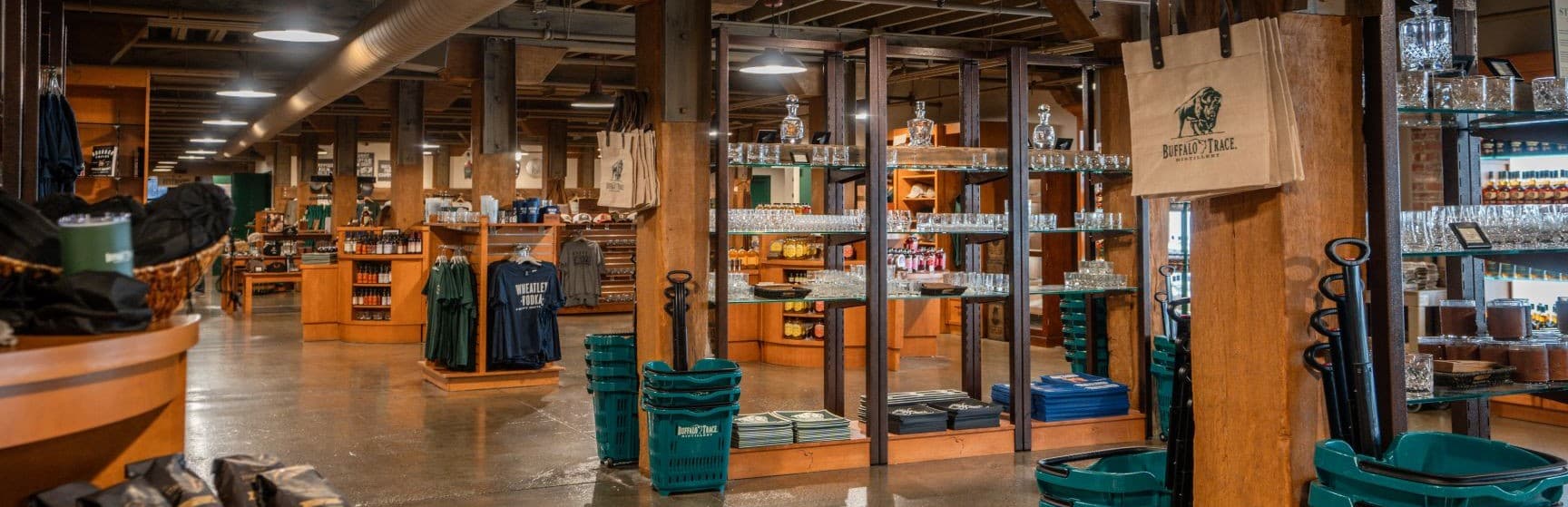
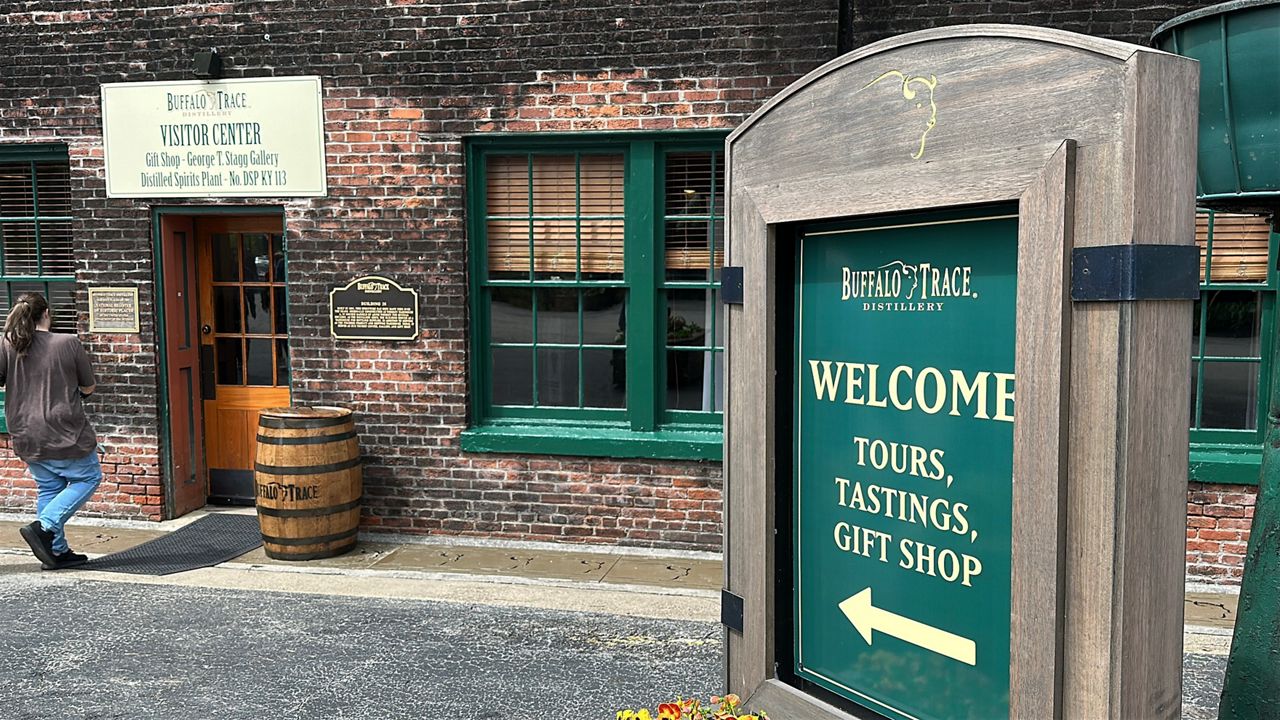
The distillery only release strategy makes this even clearer. By keeping Experimental bottles largely confined to the gift shop, Buffalo Trace creates a controlled testing ground where demand, pricing tolerance and consumer behavior can be measured in real time. It drives tourism, reinforces exclusivity and allows the brand to introduce high concept releases without committing to full scale distribution. This is not about squeezing consumers. It is about segmentation. They are building layers, from everyday shelf bottles to mid tier Weller, to high end Pappy, to ultra niche Experimental releases and potentially beyond.
And that brings us to the uncomfortable question sitting at the center of all this. If you are holding a 15 year, 107 proof wheated bourbon from the Experimental Collection and a bottle of Pappy 15, what are you actually paying for? Because the traditional answer has always been simple. You pay for Pappy because it is Pappy. It carries decades of reputation, scarcity and cultural weight that no new release can replicate overnight. But this Experimental bottle challenges that logic in a way few releases ever have. It offers a different expression of the same DNA, one that could, depending on your palate, deliver a softer, more nuanced and potentially more interesting experience than the standard profile.
In my opinion, that is where things actually tilt in Buffalo Trace’s favor, not against it. The distillery has been investing heavily in expansion, adding new rickhouses and increasing production capacity, including upgrades that effectively doubled still output over time. That matters, because it suggests these experiments are not just theoretical. They could eventually be produced at scale. If that happens, the real win for consumers is not choosing between Pappy and an experimental unicorn, it is having access to more high quality wheated bourbon options without relying entirely on impossible allocations or inflated secondary prices.
For collectors, the answer will still lean toward the label. Pappy’s ceiling is driven as much by mythology as it is by liquid, and that is not changing anytime soon. But for drinkers, especially those who actually open their bottles, the equation is shifting. If a lower entry proof, long aged wheated bourbon can match or even outperform expectations at a more accessible price point, it forces a reevaluation of what value really means in this category.
So should consumers be excited about where this is heading? I think so. More experimentation paired with increased production capacity creates the potential for more availability, more variety and a better overall experience for people who just want to drink great bourbon. Not every release will be cheap, and Buffalo Trace will continue to position premium products where demand supports it, but the long term direction points toward more opportunity, not less.
The bigger takeaway is this. The Experimental Collection is no longer just a curiosity. It is a signal. It is where Buffalo Trace Distillery is quietly shaping the next era of bourbon, testing not just how whiskey can taste, but how it can be produced, scaled and eventually put into more hands. We do not know exactly when this Low Entry Proof Wheated Bourbon will be released, but it is expected to land through the distillery gift shop like past Experimental drops, making it one to keep an eye out for. And if that vision plays out, the most interesting bottle in the room might not just be the rarest one. It might be the one you can actually buy.